

The launch of Apple’s iPhone was absolutely cinematic, with the perfect blend of drama, precision, and tech flex. When Apple launched an event featuring the iPhone 17, named the “Awe Dropping”,’ the world saw that it was not just a gadget, but an entire experience being delivered.
The iPhone 17 has improved its camera. Features like the 48-megapixel A19 chipset and the N1 One wireless chip don’t just offer customers an upgrade, but also offer a new lifestyle promise. In this article, we’ll explore the marketing strategies and tactics Apple has used to make the iPhone launch a global success and create strong orders and retail sales in markets like India. People are showing immense excitement and curiosity. They’re buying in droves. So why is this happening? What marketing tactics and strategies are they using? We’ll explore these in this article.

Apple’s marketing objectives (the why)
- To maximize global awareness and cultural relevance.
- To justify premium pricing through tangible product-led storytelling.
- To drive immediate pre-orders and control their supply scarcity to encourage urgency. This allows them to secure urgency, and if there is a need for urgency, they place orders accordingly.
- They expanded their ecosystem by locking in products like trade-ins, services, and other accessories.
Strategy & tactics – how Apple executed it
- The event: Theatrical, product-first storytelling
Apple’s September event was a tightly scripted one: its hero features like its camera, chip, wireless was demoed with cinematic videos and live demos, and the title of the event, staging it, that’s “Awe dropping”, sets the tone: That’s it, entertainment and product reveal, all rolled into one. The playback movement became the central asset for all of the follow-up, from marketing ads to social clips to public relations.
- Product-led creative: show, don’t just tell
Instead of vague claims, Apple focused on assets and specific visuals such as camera samples, gaming demos on A19, and side-by-side comparisons, which reduced buyer friction and allowed consumers to see tangible improvements. This shows that Apple demonstrates rather than talks about it.
- Controlled scarcity + staged availability
Apple intentionally makes the most expensive (iPhone Pro and Pro Max) that is very hard to get it first. They launched pre-orders and started shipping them at different times and publicly announced that the stock is limited, which created a scarcity among people. People started to look and feel like they have to buy them immediately and they also have a fear of missing out (FOMO). This was amplified by social media posts showing long lines & models selling out, so Apple carefully coordinated the exact order date and worked with stores to make a huge number of sales and in a right way.
- Trade-ins, financing and carrier partnerships
Apple has made it easier for people to afford a new iPhone by offering money for their old device that is trade-in and providing them with various payment plans and financial options. This has reduced the actual cost you have to pay upfront. Many phone companies and big stores have teamed up with Apple to run special deals, making the initial cost cheaper, and encouraging more people to pre-order the phone right away. All the details on how to trade in your old phone or sign for a payment plan were clearly posted on Apple’s website when the product was launched.
- Localized PR & retail push (India as a focus)
Apple and its local stores and their carrier partners have planned to start announcing the price to publicity so that they can match the timings to the habits of the local market. For example, they quickly announced the price and the exact sale date in India and so that they could instantly generate a huge number of online searches and in-store visits. Local news coverage is also done and the local stores, including official partners, have plenty of phones ready so that they can turn the launch into a major news event in that country.
- Media seeding & influencer strategy
Apple gave its most popular reviewers and tech websites early access to its new products and allowed them to post detailed reviews and videos, all at the same time as a great upgrade, once the embargo ends. What did this do? It led to a huge immediate wave of hands-on content, which was essentially backup. Everything Apple heads claim about the new phone, including whatever new phone claims, they allowed for posting.
Apple also gave specialist demonstrations to journalists who focus on gaming and photography to specifically highlight features like the powerful A19 chip and improved camera.
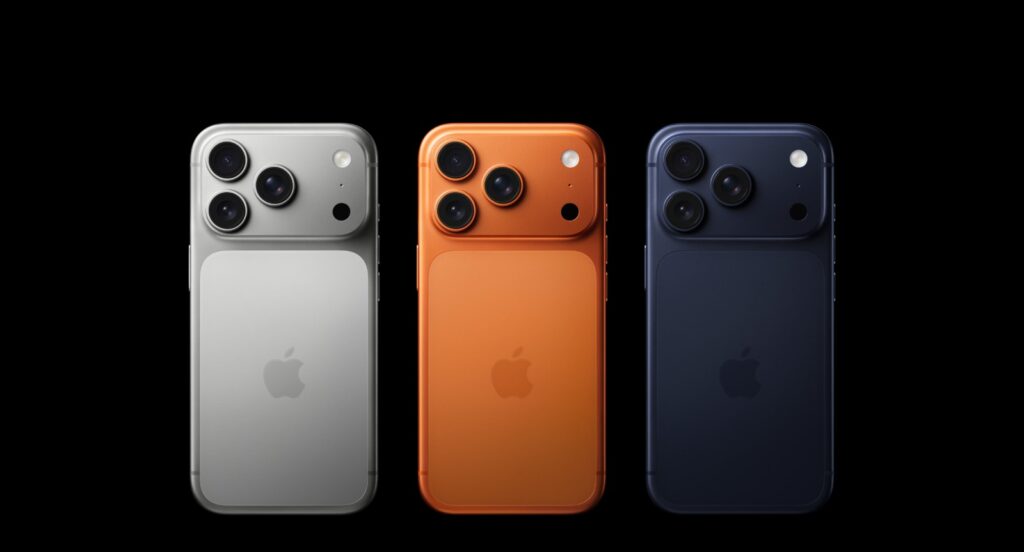
Here are those concrete tactics converted into easy-to-quote, concise examples of what Apple did to maximize sales:
Hero Demo Videos – Apple released camera sample reels that press and creators to encourage reposting.
(Effect – Flooded on social media with high quality shareable visual proof of product capability).
Scheduled Publishing Dates – Apple used the Scheduled Publishing Dates to coordinate reviews for the event, which resulted in a massive flood of content across search and social media immediately after the event. (Hero Demo Videos – Apple released camera sample reels that press and creators to encourage reposting.
(Effect – Generated instant wide spread public validation and excitement).
Trade-in Offers – A clear savings calculator on the Apple Store that acted as trade-in microsite messaging that directly reduces the perceived cost.
(Effect – Lowers the financial barrier for upgrades and makes purchases more affordable).
Localized PR – Apple announced India pricing and pre-orders for Windows along with the event was set globally to maximize immediate regional search traffic and press coverage.
(Effect – Turned launched into a major immediate regional news event, driving local sales urgency among people).
Actionable Takeaways for Marketers:
- Prioritize Product Proof Over Promises (Make Product the Hero): Show don’t tell, use concrete demos (like camera reels) that can prove your claims by beating vague statements.
- Synchronize Awareness and Demand (Coordinate Timing Tightly): Synchronize and launch pre-orders at the same time when there are peak demand and awareness.
- Manufacture Urgency (Use Scarcity Smartly): The intention is to limit initial availability to premium models like the Pro and Pro Max to create a sense of urgency and fear of missing out without running out of all inventory.
- Adapt Launch to the Region (Localize Launch Mechanics): Adapt, regionally and announce local pricing and PR immediately to maximize traffic to Big Market.
- Remove Financial Barriers (Layer Incentives): Reduce price shock and use trade-ins and financing options to remove financial friction for buyers.
- Sustain Trust Post-Sale (Manage Post-Launch Care): Customers must always be kept happy and immediately after purchase so that you can avoid returns and bad reviews. Quick software fixes & visible customer support is very important.
- Maximize Content Reach (Repurpose Event Content): Maximize reach and turn launch event footage from long-form footage into short clips for every social media, ad and retail channel.