

A stock crash dealt a major blow to investors in early 2025. Following the Liberation Day tariff announcement, global stock markets plunged by six percent in April 2025. This crash demonstrates how even a small policy sentiment change can shake the entire system. In this article, we’ll understand why such crashes occur and how they unfold, using real-life examples.
What Is a Market Crash (in the Context of 2025)
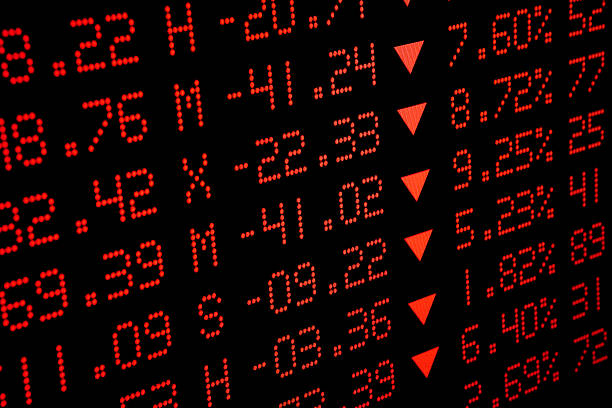
Stock crash means when stock prices fall suddenly and drastically, mostly by 20% or more in various short periods. In the crash of 2025, Dow Jones and Nasdaq saw a gang fall of about 8% in the first week of April. In India too, Sensex slashed 3000 plus points in 2 days. The difference between crash and correction is that correction is short term, but crash shakes the confidence of investors and impacts the economy.
Why Stock Markets Crash in Today’s World
1.Policy & Trade War Shocks
During Liberation Day in April 2025, the US announced new trade tariffs, which increased tensions with China and Europe. The IMF also predicted that trade tensions could lead to stock crashes. Investors feared that these tariffs would hurt both global trade and corporate profits, and panic selling ensued.
2. Overvaluation & AI Bubble
AI and tech stocks saw a record-breaking rally in 2025. Valuations for companies like Nvidia AMD and smaller AI startups skyrocketed. Goldman Sachs CEO David Solomon also predicted a potential AI bubble. When investors realized that valuations were high compared to serial profits, they started selling, and the bubble began to lapse.
3. Macroeconomic Slowdown & Recession Fear
Layoffs are increasing in the US. Inflation is uncontrollable, and GDP growth is slowing. According to a Seeking Alpha report, more than one million layoffs are expected in 2025, and leading economic indices are sending negative signals. Manufacturing growth in India has also slowed, and FIIs and foreign investors have begun withdrawing funds. When economic data is weak, market confidence automatically falls.
4. News
News of political changes in Japan and an energy crisis in Europe also increased uncertainty. According to a report in The Guardian, Japan’s election results were followed by a crash, and the Nikkei index saw a record high in one day. Global political tensions, board news, or policy instability immediately impact market sentiment.
5. Algorithmic & Herd Behavior
In today’s digital age, more than 60% of trades are done through algorithms. When the system detects a large selling trend, it triggers automatic sell orders. This creates a chain panic effect, one seller follows another and the crash continues to accelerate. Social media and news also spread the word, further panicking retail investors.
How a Crash Unfolds (Step by Step with 2025 Example)
Step 1: Build-up Phase
AI and tech stocks hit record highs in 2024 and 2025. Every investor believed the market would always go up. This upsurge was dangerous.
Step 2: Trigger Event
April 2, 2005 US trade tariff announcement, just one news and market sentiment reversed.
Step 3: Panic Selling
Global investors began selling in a flash. The US market fell by 8% in one day, while India, Japan, and Europe also fell in tandem.
Step 4: Algorithmic Amplification
AI-based trading boards detected downward momentum and placed sell orders, further accelerating the fall.
Step 5: Liquidity Crisis & Circuit Breakers
Buyers stopped coming, spreads widened. The exchange imposed a trading position. Circuit breakers were activated.
Step 6: Government / Central Bank Intervention
The US Federal Reserve and the ECB issued statements that they would provide liquidity. In India, the RBI opened a short-term liquidity window to stabilize the market. Sentiment gradually improved.

Impact of 2025 Crash
- Global Losses: Show more than $4 trillion out of US market in just a few days.
- India: The Sensex crossed a market cap of over Rs 10,00,000 crore at the close of April.
- Job Market: Tax take-off increased in the finance sector.
- Investor Confidence: Retail investors suffered heavy losses due to panic selling.
All this shows that the crash was not just about numbers, it also had an emotional and psychological impact.
What Investors Can Learn (from the Perspective of 2025)
- Diversify Investments: Don’t invest in just one sector, AI or TECH.
- Stay Liquid: Keep cash reserves for emergencies.
- Don’t Chase Hype: Always stay away from value stocks.
- Long-Term Thinking: Avoid panic selling during cash crunch as quality stocks recover in future.
- Stay Updated: Keep an eye on policy, global news and interest rates.
Conclusion
The 2025 stock crash was a reminder that markets are never predictable. Trade wars, AI bubble, and over-optimism all combined to create a perfect storm. In today’s digital and global world, crashes are faster and more emotional, but a smart investor is one who doesn’t act rashly. He trusts data and invests with discipline.
Stock crashes are always scary, but every crash also teaches a new lesson: that is patience planning and perspective.
FAQ's
Will 2025 be a good year for stocks?
2025 could be a mixed year for postal stocks. The market could recover after the April crash if policies are supportive, but losses, valuations, and global tensions will continue to weigh on utilities. This could also be an opportunity for smart, diversified investors.
What are the odds of the market crash in 2025?
The chances of a market crash in 2025 are moderate. The April crash was a warning that policy changes and overvaluation could cause the market to collapse. If a trade war or recession escalates, a short-term crash is again possible.
Which stock should I buy in 2025?
For a safe option in 2025, diversified and value-based stocks are the best options. Tech and Ai stocks currently carry a higher risk. Therefore, focusing on stable sectors like banking, FMCG, and energy would be a smart choice.
What will happen with the market in 2025?
The market ball is likely to remain firm. A recovery from the April crash may take two weeks. However, factors like trade wars, inflation, and policy changes will continue to drive ups and downs. For long-term investors, this presents both a learning and a buying opportunity.